If I see one more listing description that describes a stunning industrial loft as a "spacious oasis in the heart of the city," I’m going to lose it. Let’s be honest: that is https://dlf-ne.org/my-listing-photos-look-dark-how-to-fix-them-fast/ fluff. It says absolutely nothing about the actual living experience. As someone who has spent over a decade in urban real estate, I have seen more "spacious" lofts that were actually dark, damp Go to this site caves than I care to count. My first act when reviewing a new listing? I count how many photos show a dark hallway. If the entryway isn't inviting, the rest of the home is already fighting an uphill battle.
Lofts are not your average suburban colonial. They aren't about compartmentalized rooms; they are about volume, light, and the raw character of the building. Marketing them requires a pivot away from the outdated "price per square foot" obsession and toward a narrative of lifestyle flexibility. If you are trying to sell a loft in today’s digital-first market, you need to be sharper, faster, and much more intentional.
Stop Selling Boxes, Start Selling Lifestyle
The biggest mistake agents make with lofts is leaning exclusively on the square footage. In a world where high-rise condos and suburban homes have specific "bedrooms" and "dens," a loft is a blank slate. Buyers aren't looking for a box of a certain size; they are looking for a stage for their life.
With the permanent shift toward remote and hybrid work, the question I ask every time I tour a listing—and the question every serious buyer is asking themselves—is, "Where would the laptop go?"
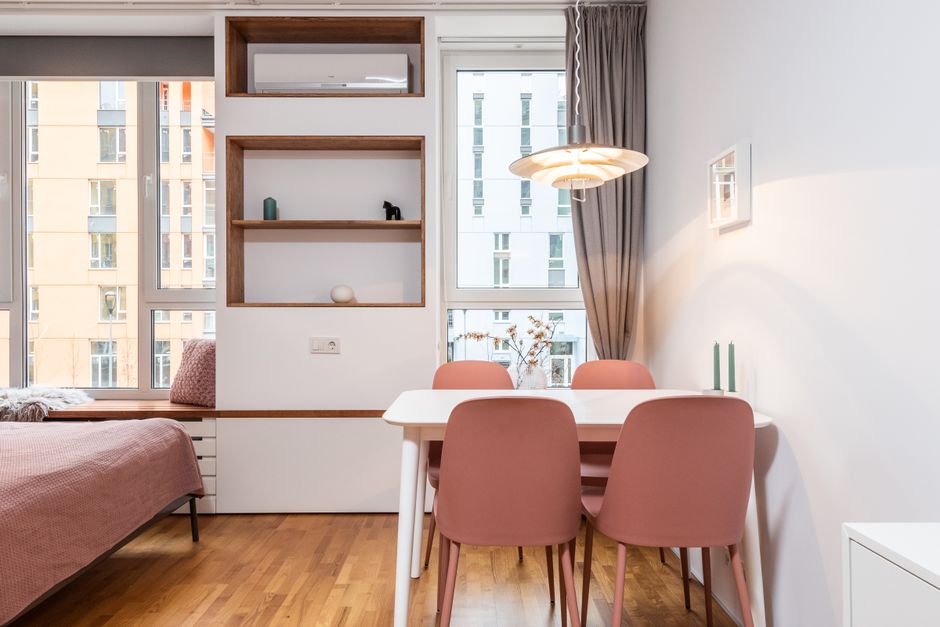
Does the layout allow for a dedicated office nook that doesn't feel like you’re working from your bed? Does the natural light hit the dining area in a way that makes it a viable conference room? Your marketing needs to highlight the flexibility of the floor plan. If your photos show nothing but an empty living room, the buyer will struggle to imagine how they live there. Staging a "work zone" in a loft isn't just nice to have; it’s essential to justifying the price in the current market.
The Technical Pillars: High-Resolution Photography and Virtual Tours
We live in a "swipe-left" culture. Most buyers have made a decision about whether they’re interested in your property within three seconds of seeing the first thumbnail. If your photos are low-res, poorly lit, or cluttered with "lifestyle" props that look like a sad garage sale, you’ve lost them.
The Non-Negotiables
- High resolution photography: If I can see the pixels on the exposed brick, the photo isn't sharp enough. You need professional lighting that balances the harsh shadows that industrial lofts often create. The "Dark Hallway" Check: Always prioritize a bright, wide-angle shot of the entry. If the entry is dark, add a floor lamp or a mirror to bounce light. Photographing a dark hallway makes a loft look subterranean. Virtual tours loft: I am a huge proponent of high-quality 3D walkthroughs. A virtual tours loft experience allows a buyer to understand the spatial flow. They need to see how the open-concept kitchen transitions into the living area and where the bedroom privacy lies.
When you provide a high-fidelity virtual tour, you aren't just showing space; you’re providing the digital tools for a fast comparison. Buyers are looking at ten listings at once on their phones; make yours the one they actually spend time "walking" through.
Social Media Exposure: The Instagram vs. Facebook Divide
Marketing isn't just about the Multiple Listing Service (MLS). It’s about meeting your buyer where they hang out. Your social media strategy needs to be bifurcated.
Instagram: The Aspirational Vibe
Instagram is your visual billboard. This is where you use social media exposure to sell the "cool factor" of the loft. Use Reels to show the sunlight hitting the floor at 4:00 PM. Use Carousel posts to highlight the architectural details: the original timber beams, the industrial steel sash windows, the patina of the concrete. Keep the captions brief, punchy, and focused on the sensory experience.
Facebook: The Community Deep-Dive
Facebook is for the information seekers. This is where you post the neighborhood details, the proximity to the best coffee shops, and the "live-work" potential. Use Facebook Ads to target people within a specific radius of the city who are likely to value the industrial-chic aesthetic. This is where you can be more analytical about the floor plan benefits.
Comparison: Old School vs. Modern Loft Marketing
Feature Old School (Ineffective) Modern (Effective) Primary Hook Total Square Footage Lifestyle & Workflow Flexibility Photography Dim, wide-angle "real estate" shots High-resolution, lit for atmosphere Digital Presence Basic PDF flyer Interactive virtual tours (loft specific) Staging Empty rooms (cold) Work-from-home zones & functional nooksThe "Small Fixes" Cheat Sheet
I keep a running note on my phone of small, budget-friendly fixes that photograph infinitely better than they cost. If you’re prepping a loft for sale, do these before the photographer arrives:

Conclusion: Lead with Character, Follow with Logic
Marketing a loft is about selling the dream of a specific urban lifestyle. You are selling the ability to work from a sun-drenched nook, host friends in a flowing space, and live in a structure with history. Stop hiding behind square footage numbers and start showing the buyer exactly how they will spend their Tuesday morning coffee or their Friday night drinks.
If you invest in high resolution photography, prioritize a high-quality virtual tours loft integration, and use social media exposure to tell the story of the home’s character, you won’t just list the property—you’ll define it. And please, for the love of good design, leave the dark hallway photos on your camera roll.