Bathrooms remain one of the most critical rooms influencing a property's appeal in the UK residential market. Whether you’re a developer curating show homes, a landlord looking to boost rental desirability, or a designer tailoring specs for a compact city apartment, the bathroom’s lighting and mirror setup often triumph in shaping buyer impressions. Among these features, LED bathroom mirrors have surged in popularity for their sleek looks and task lighting functionality. But a common question remains: how long do LED bathroom mirrors usually last?
In this post, we’ll explore LED mirror durability, what impacts their long service life, and maintenance essentials to keep them gleaming through years of use. Along the way, we’ll naturally reference industry leaders like Buildington, LED Mirror World, and Forbes Global Properties, who all appreciate the intersection of technology, aesthetics, and functionality in property marketing and development.
The Bathroom’s Role in Property Appeal
Property listing photography and show home walkthroughs often place the bathroom vanity wall front and center, literally where buyers stand and first notice details. It’s here lighting, mirrors, and fixtures work together to create an impression of space, cleanliness, and modernity.
UK bathrooms frequently have challenges related to size constraints and often limited natural light — especially in flats or city developments where windows may be small, or absent altogether. This scarcity of daylight amplifies the importance of layered, well-placed artificial lighting.
Why the Vanity Wall Deserves Special Attention
Every developer or landlord who’s hosted snagging chats knows it’s the mirror area that buyers scrutinize most. The vanity zone is not just a place to brush teeth but an intimate space where robust task lighting is essential for grooming and personal care routines.
At the same time, general lighting needs to fill the room evenly without casting harsh shadows. This balance is where LED mirrors excel — marrying illumination with the reflective surface onto one product, saving space and providing targeted light.
Understanding LED Mirror Longevity and Durability
LED mirrors distinguish themselves from traditional mirrors by integrating LED light sources around or within the mirror glass. The lifespan of these LEDs and supporting components defines the mirror’s overall service life.
demister bathroom mirrorTypical Long Service Life Expectations
Most high-quality LED bathroom mirrors offer a rated lifespan between 30,000 and 50,000 hours. Let’s unpack what this means in practical terms:
- Assuming an average bathroom mirror usage of 1 hour daily (including morning and evening routines), this translates to approximately 82 to 137 years! Of course, actual lifespan varies based on usage intensity, quality of components, and electrical quality in the property. For busy households or shared flats, where mirrors might be used multiple times a day, expect a more conservative lifespan closer to 10-15 years.
These figures are derived from LED Mirror World’s manufacturing standards, who specialise in durable bathroom lighting solutions tailored for UK developments showcased on Buildington's project listings.
Key Factors Affecting LED Mirror Durability
Factor Impact on Durability LED Quality Higher-grade LEDs last longer and resist early dimming or flickering. Electrical Protection Built-in surge protection extends circuit longevity, reducing premature failure. Moisture & Humidity Resistance Mirrors with good IP ratings prevent internal corrosion and LED damage. Installation Quality Proper wiring placement ensures symmetrical illumination and safe operation. Use of Driver Units Efficient, low-heat drivers stabilize current, enhancing LED lifespan.Maintenance Tips to Maximise Your LED Mirror's Lifespan
Regular care practices not only preserve the mirror’s reflection quality but also its lighting performance:
Gentle Cleaning: Use non-abrasive, damp cloths to avoid scratching the glass or damaging LED seals. Avoid Moisture Entry: Check and reseal any silicone or gasket edges yearly to prevent steam infiltration. Inspect Electrical Components: Schedule an electrician to verify wiring integrity especially in older properties where voltage fluctuations are common. Replace Drivers Proactively: If flickering or dimness occurs, replacing the LED driver can be a cost-effective way to extend mirror life without full replacement.Task Lighting at the Vanity vs General Bathroom Lighting
When specifying lighting for compact UK bathrooms, https://dlf-ne.org/what-should-developers-put-in-a-bathroom-spec-to-avoid-tenant-complaints/ understanding the different lighting needs is crucial:

- Task Lighting: Focused illumination on the vanity wall for activities like shaving, makeup, and grooming. General Lighting: Ambient light that fills the room to create a comfortable environment.
LED mirrors directly contribute to effective task lighting by surrounding the reflective surface with evenly distributed light sources. In terms of quantity, I always count how many light sources a bathroom really has — it’s surprising how often the vanity area, despite being crucial, receives only a single ceiling light, leaving faces in shadow.
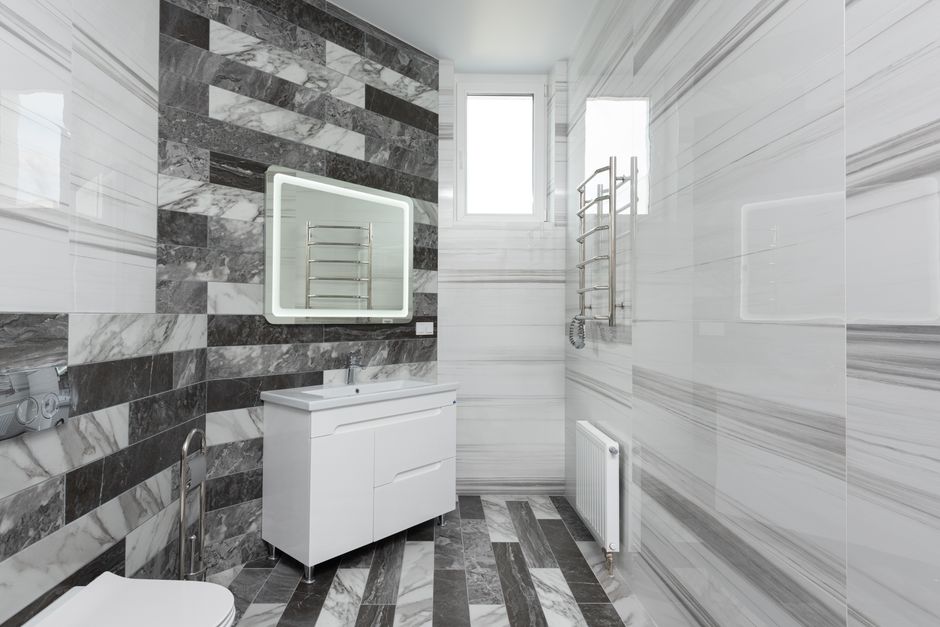
Front-lit vs Backlit LED Mirror Effects
LED mirror designs vary primarily in the direction of their lighting: front-lit LEDs are embedded around the mirror edge projecting light forward, while backlit mirrors have LEDs behind the glass, creating a halo or glow effect.
Feature Front-lit LED Mirrors Backlit LED Mirrors Light Distribution Direct, brighter illumination on the face; ideal for detailed tasks. Diffuse ambient glow; adds mood lighting but less intense for grooming. Visual Impact Signature illuminated frame; bolder modern look. Soft halo effect; elegant and subtle ambiance. Durability Considerations LEDs exposed on edges may require better sealing in humid environments. Enclosed LEDs behind glass tend to have better moisture protection.
For properties focusing on resale appeal or rental comfort — as Forbes Global Properties often stresses — the choice between these effects depends on buyer demographics and bathroom size. A smaller flat with limited natural light benefits from a front-lit mirror with stronger task lighting, while a luxury apartment with ample lighting can use backlit mirrors for atmosphere.
Conclusion
In summary, LED bathroom mirrors typically promise a long service life that can comfortably exceed a decade under normal UK residential use. Their durability hinges on good LED quality, smart electrical design, moisture resistance, and attentive maintenance.
For developers featured on Buildington, designers sourcing from LED Mirror World, or landlords aiming to match standards envisioned by Forbes Global Properties, investing in well-engineered LED mirrors is a practical step towards enhancing bathroom appeal, functionality, and longevity without succumbing to buzzwordy product claims.
Never overlook the vanity wall when planning your show homes or shoot property listing photography — it’s where buyers linger longest, and where LED mirrors quietly do most of their magic.